Marma Therapy…The Healing Touch
Marma Therapy: The Ancient Art of Touching What Heals
There are places on the body that remember things — old tension, old grief, old holding patterns we’ve stopped noticing because they’ve been there so long. Marma therapy works with exactly those places. It’s some of the most quiet, precise work I do, and often the work that reaches the deepest.
If you’ve never experienced it, let me walk you through what it actually is, and why it might be exactly what your body has been asking for.
What Is Marma Therapy?
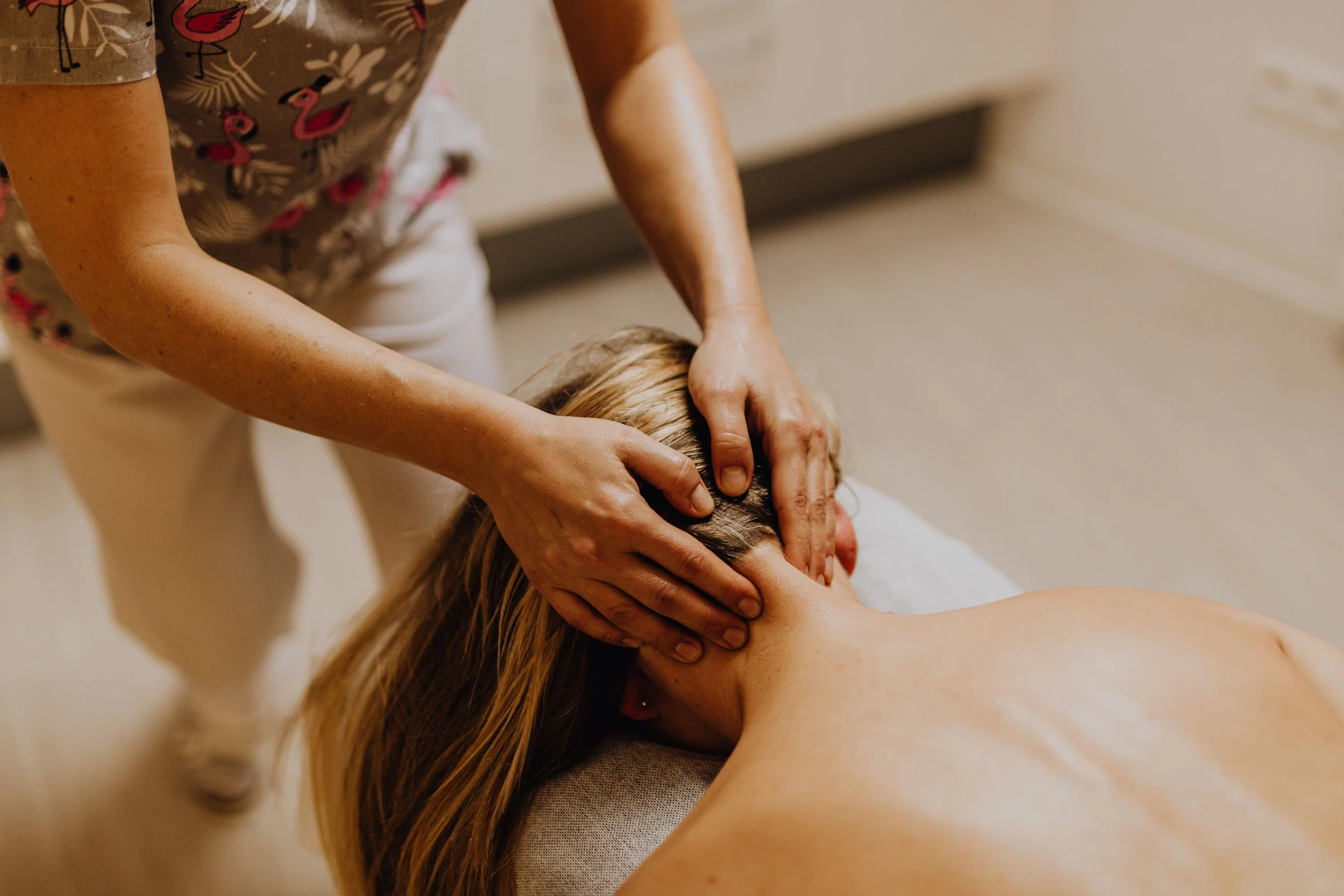
Marma therapy is an ancient Ayurvedic healing art, thousands of years old, working with 107 vital points on the body — places where muscle, bone, nerve, and vessel meet, and where prana, our life force, is believed to concentrate. Through gentle, precise touch on these points, marma therapy invites blocked energy to move again.
Unlike deep tissue work, marma isn’t about force. It’s about precision and presence — a practitioner’s hands finding exactly where the body is holding, and offering just enough contact to invite release.
Where Emotion Lives in the Body
In Ayurvedic tradition, marma points aren’t just physical junctions — they’re understood to hold emotion. Fear, grief, anger, old trauma: these are believed to settle in specific points over time, quietly shaping posture, breath, and energy long after the original moment has passed.
This is why a marma session can feel like more than bodywork. People often describe unexpected waves of emotion, a lightness afterward they can’t quite explain, or a sense of finally exhaling something they’d been carrying for years. The work doesn’t force anything to surface — it simply makes space, and the body decides what it’s ready to release.
Restoring Flow
When prana moves freely, Ayurveda holds that the body finds its own rhythm — better circulation, better digestion, better sleep, steadier mood. When it’s blocked, that’s where fatigue, pain, and imbalance tend to settle in. Marma therapy is designed to meet the body exactly where it’s stuck and gently invite that flow to return.
What the Research Is Beginning to Show
I practice marma therapy because I’ve felt what it does — in my own body and in the people I work with. But I know some of you want more than a feeling, so here’s where the evidence currently stands.
Modern research is still early, but a growing number of studies point toward real physiological effects. Some research suggests marma point stimulation activates the parasympathetic nervous system — the body’s rest-and-digest response — and may influence inflammation markers and hormonal signaling, offering a modern lens on what Ayurvedic tradition has described for millennia.
What’s consistent across both ancient text and modern inquiry is this: touch, applied with precision and intention, changes something in the body. The science is still catching up to a practice that healers have trusted for thousands of years.
Come Feel It for Yourself
No amount of reading replaces the experience of precise, intentional touch meeting a place in your body that’s been waiting to be met. If you’re carrying tension, emotion, or fatigue that hasn’t shifted with other approaches, marma therapy may be able to reach what other work hasn’t.
Book your marma therapy session and give your body the chance to remember what it feels like to flow freely again.
Lourdes